
Why wear a bicycle helmet? Protection and choosing a fit
PublishedBy Pro Sport Lights · Content updated
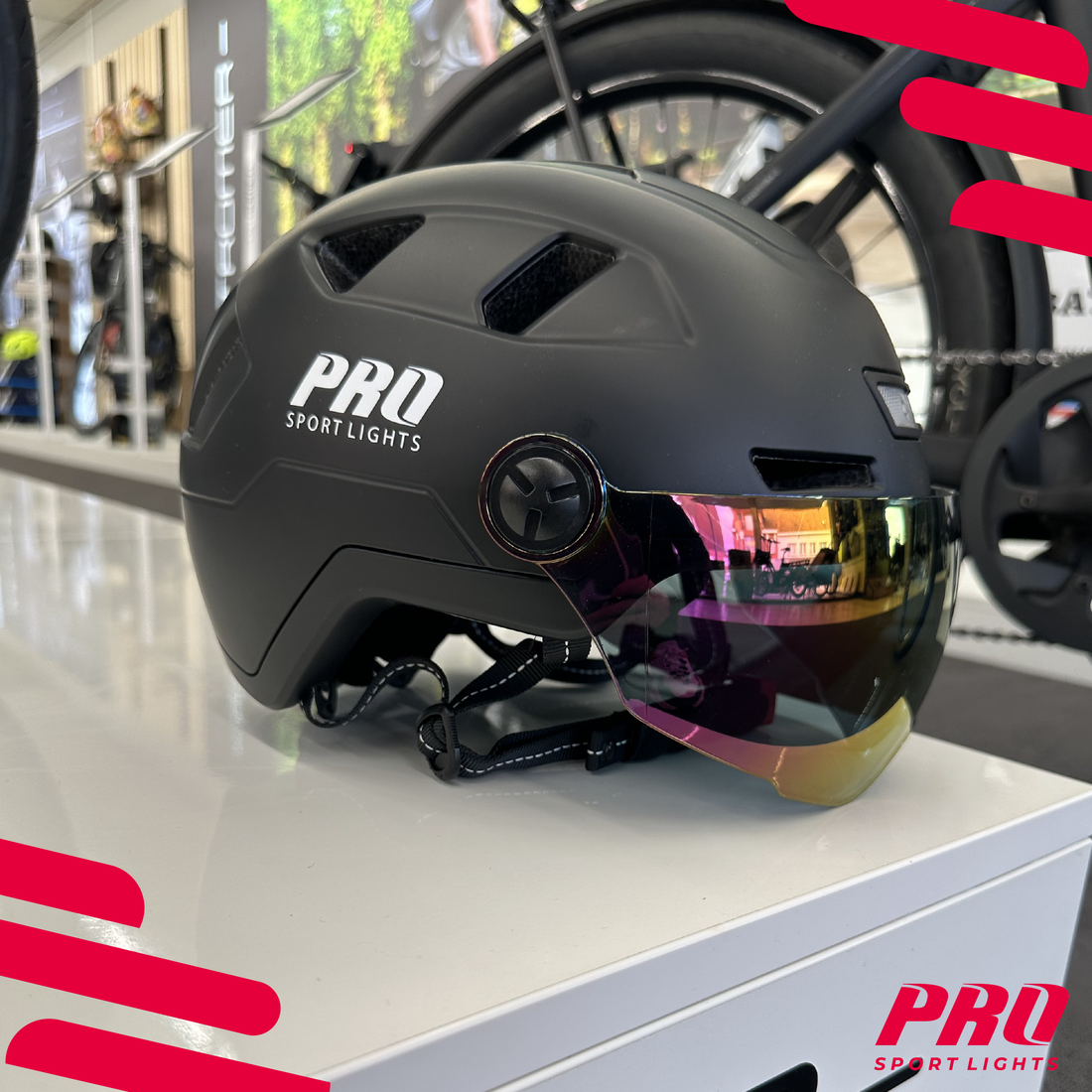
The short answer: A bicycle helmet is designed to protect your head in a fall. Its performance also depends on the correct size, adjustment and condition. A helmet does not prevent an accident or rule out injury.
What does a bicycle helmet do?
The shell and shock-absorbing material together form the protective structure. This needs to stay in the correct position on your head. Choosing the right size and fastening the straps are therefore part of using it, even for a short ride.
Make it a regular routine
- Before leaving, check that the shell, straps and buckle are intact.
- Put the helmet on level and follow the manual’s adjustment instructions.
- Check that any visor does not obstruct your view.
- Charge helmet lights in good time and check your bicycle lights too.
Choose for your bicycle
Choose a model with certification suited to its intended use. A speed pedelec calls for different considerations from a regular city bicycle. Pro Sport Lights NTA 8776 models are listed with their current specifications on the product pages. Also check the vehicle rules of the country where you ride.
When should you check or replace the helmet?
After a collision in which the helmet absorbed an impact, damage may be invisible. Do not continue using it without following the manufacturer’s instructions. Replace a helmet with damaged protective parts or an unreliable buckle. For normal ageing, follow the brand’s service life and use instructions; no single universal interval applies to every model.
Read more about checking and replacing a bicycle helmet.
Choose a helmet you can wear comfortably
A comfortable, well-fitting model makes consistent use easier. Start with your head circumference and the size chart and then compare the available bicycle helmets.
Need help choosing? Email info@prosportlights.com with your question and, where relevant, the model or your head circumference. We will help you choose.